
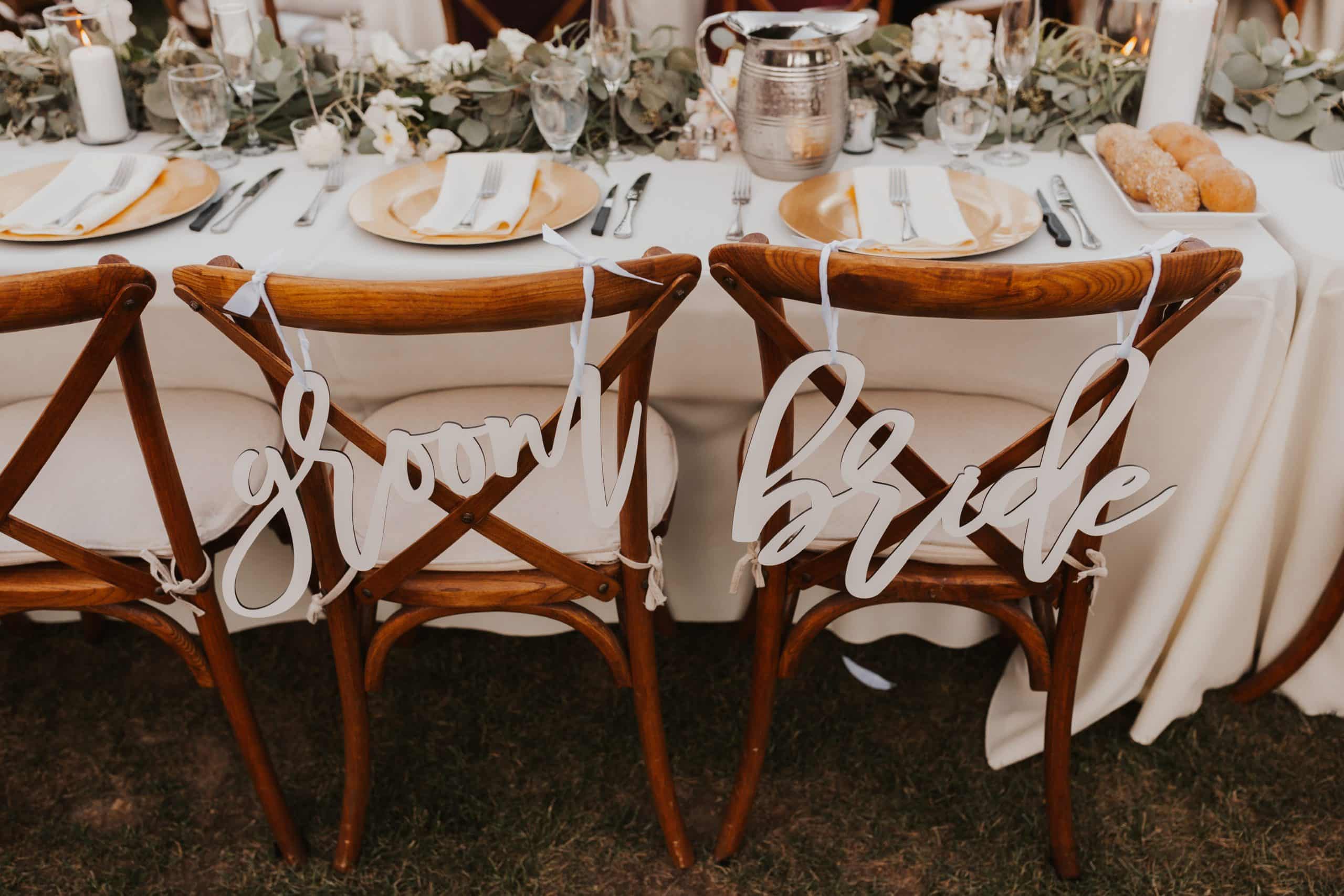
An eco-friendly wedding does not mean a smaller wedding, a less beautiful wedding, or a more expensive wedding. It means a wedding designed with a little extra intention. Where the rings come from. How the invitations are printed. What happens to the flowers after the last dance. Each choice on its own is small. Stacked together, they add up to a celebration that leaves a lighter footprint without anyone feeling like they sacrificed anything.
This guide walks through every part of the wedding, from the engagement ring to the grand exit, with practical sustainable choices for each. None of these ideas require a complete philosophical commitment. Pick the ones that fit your priorities and your budget, and skip the rest.
What Is an Eco-Friendly Wedding?
An eco-friendly wedding (also called a green wedding, sustainable wedding, or environmentally conscious wedding) is a wedding designed to minimize waste, reduce environmental impact, and source materials ethically. The format ranges widely. Some couples go all-in with zero-waste planning, locally sourced food, and digital-only paper. Others make a few targeted choices, like donating leftover florals or choosing a vendor that gives back. Both count.
The most common eco-friendly wedding choices fall into a few categories:
- Sourcing rings, flowers, food, and decor responsibly
- Reducing paper waste through digital tools and recycled materials
- Holding the ceremony and reception in one place to reduce travel
- Donating or repurposing flowers, food, and decor after the event
- Choosing vendors with sustainable practices
Why Couples Are Planning Eco-Friendly Weddings
The shift has been building for several years. Younger couples increasingly want their wedding to reflect the values they live by the rest of the year, and sustainability ranks high among those values. There are practical reasons too. Many eco-friendly choices end up being more cost-effective (in-season florals, fewer paper goods, less waste). Donating leftover food and flowers turns excess into impact rather than landfill. And the day itself often feels more personal when the decisions reflect a couple’s actual priorities rather than wedding industry defaults.
Eco-Friendly Engagement Rings and Wedding Bands
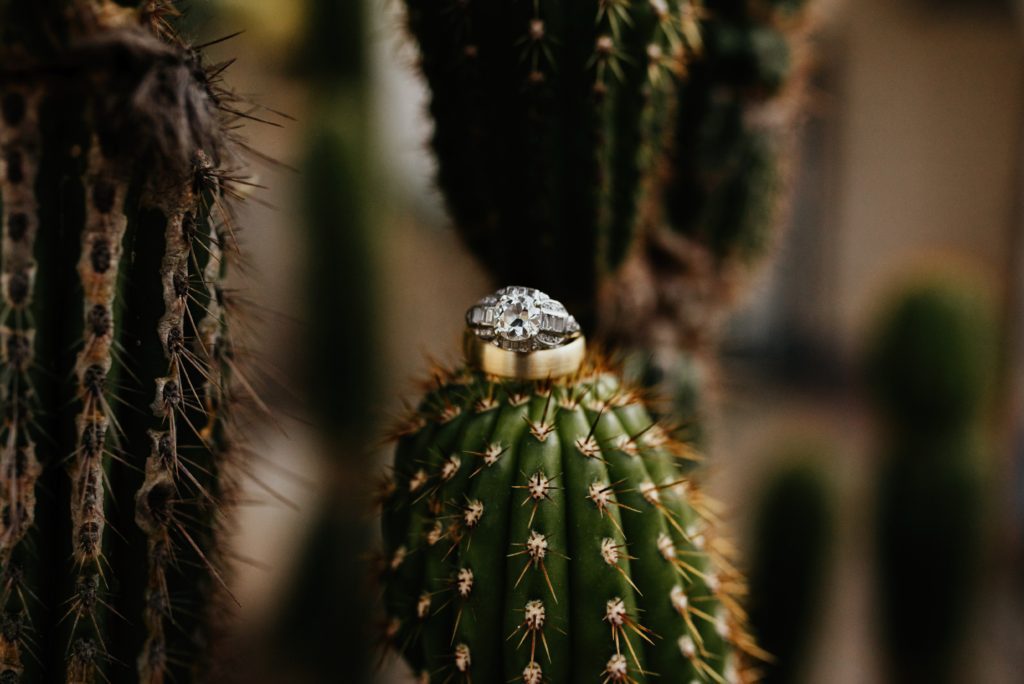
When picking out your engagement ring and wedding bands, ask where the diamond or gemstones come from. Conflict-free certifications, antique and heirloom stones, and lab-grown alternatives all reduce the environmental and ethical impact of mining.
Lab-grown stones are increasingly the go-to choice for eco-conscious couples. Moissanite is a popular option because it is rare in nature but easy to grow in a lab, meaning no mining is involved. Brands like Charles and Colvard specialize in socially responsible moissanite and lab-grown diamond jewelry. Recycled-metal bands from any jeweler offer another easy win. Most metals used in jewelry can be reclaimed without losing quality, and many jewelers offer recycled gold or platinum as a default option.
For the most personal option, an heirloom ring from a family member skips the supply chain entirely. A jeweler can resize, reset, or restyle the original stone if the design needs updating.
Choosing an Eco-Friendly Wedding Venue
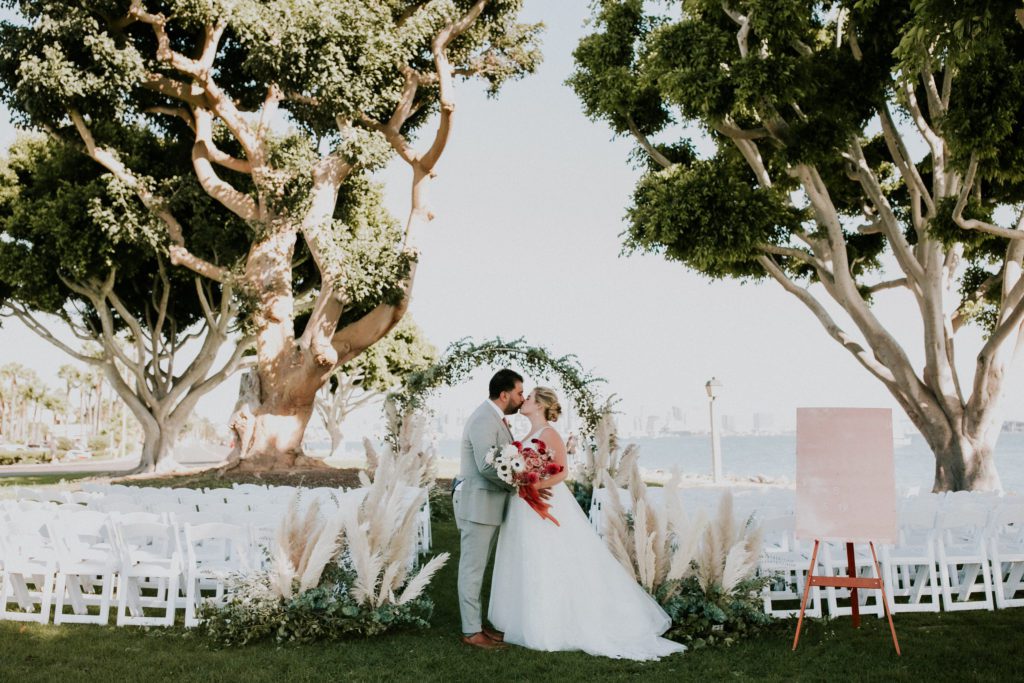
The venue choice shapes the environmental footprint of the whole event. A few principles for picking a sustainable wedding venue:
- Indoor-outdoor flexibility. Venues with strong natural light and good outdoor flow reduce the need for artificial lighting and climate control during daytime events.
- One location for ceremony and reception. Holding both at the same venue cuts guest travel emissions roughly in half compared to a separate ceremony and reception venue.
- All-inclusive packages. Venues that handle catering, rentals, and decor in-house reduce the supply chain emissions associated with multiple vendor trips and packaging.
- Proximity to lodging. Venues within walking or short-driving distance of hotels reduce shuttle and rideshare miles for guests.
- Reusable infrastructure. Venues with permanent dance floors, tables, and chairs eliminate the truck deliveries and packaging associated with rental setups.
Outdoor settings have a natural sustainability advantage because the space itself is the decor. Botanical gardens, parks, beaches, and waterfront venues need less lighting, less floral, and less staging to feel finished. The trade-off is weather risk, so most couples planning fully outdoor weddings also build in a backup plan.
At Harbor View Loft, the harbor views and wraparound balcony mean a single venue handles ceremony, cocktail hour, and reception. Couples often choose a daytime or golden-hour ceremony on the patio with the reception flowing inside as the sun sets, which minimizes the need for added lighting and decor.
Eco-Friendly Wedding Invitations and Stationery
Wedding paper goods (invitations, save-the-dates, programs, menus, place cards, thank-you notes) add up quickly. A 150-guest wedding can easily generate three to five pounds of paper. A few ways to reduce that without losing the formal feel:
- Digital save-the-dates. A custom-designed digital save-the-date sent via email or text is now widely accepted, even for formal weddings. Reserve printed paper for the invitation itself.
- Wedding websites in place of paper inserts. Use a wedding website for hotel blocks, transportation details, dress code, registry links, and FAQs. The invitation gets a small URL or QR code instead of multiple printed cards.
- Recycled paper. Most established stationers now offer 100 percent recycled paper options. The texture is often more interesting than standard cardstock.
- Seed paper. Biodegradable paper embedded with wildflower seeds. Guests can plant the invitation in soil after the wedding, and it grows into flowers. Botanical Paperworks is one of the most established names in seed paper invitations.
- Tree-planting stationers. Some stationery companies plant a tree for every order placed. Paper Culture is a well-known example.
- Letterpress on cotton paper. Cotton paper is a byproduct of the textile industry and can be more sustainable than wood-pulp paper. Letterpress printing uses less ink than digital or offset printing.
Sustainable Wedding Registries
:max_bytes(150000):strip_icc():format(webp)/__opt__aboutcom__coeus__resources__content_migration__brides__public__brides-services__production__2017__02__15__58a4ce9e6774c3756e23b244_Jenny20and20Tyler_WED_1437-ed0cb55ed7224476b3c960b0dc3c21c5.jpg)
Almost anything on a traditional registry has a sustainable counterpart. Organic bedding, fair-trade kitchen and bath products, reusable food storage, cast iron and stainless steel cookware (long-lasting), bamboo or wood serving pieces, and natural-fiber linens all work as eco-friendly registry choices. Asking where items are sourced and how they are made surfaces the right products quickly.
For couples who already have most of what they need, a charitable wedding registry redirects gift contributions to an environmental nonprofit or another cause that matters to you. Environmental causes pair naturally with the sustainability theme. Charity: Water, One Tree Planted, Ocean Conservancy, the Nature Conservancy, and local environmental groups all accept donations through standard wedding registry platforms.
Eco-Friendly Catering and Food Choices
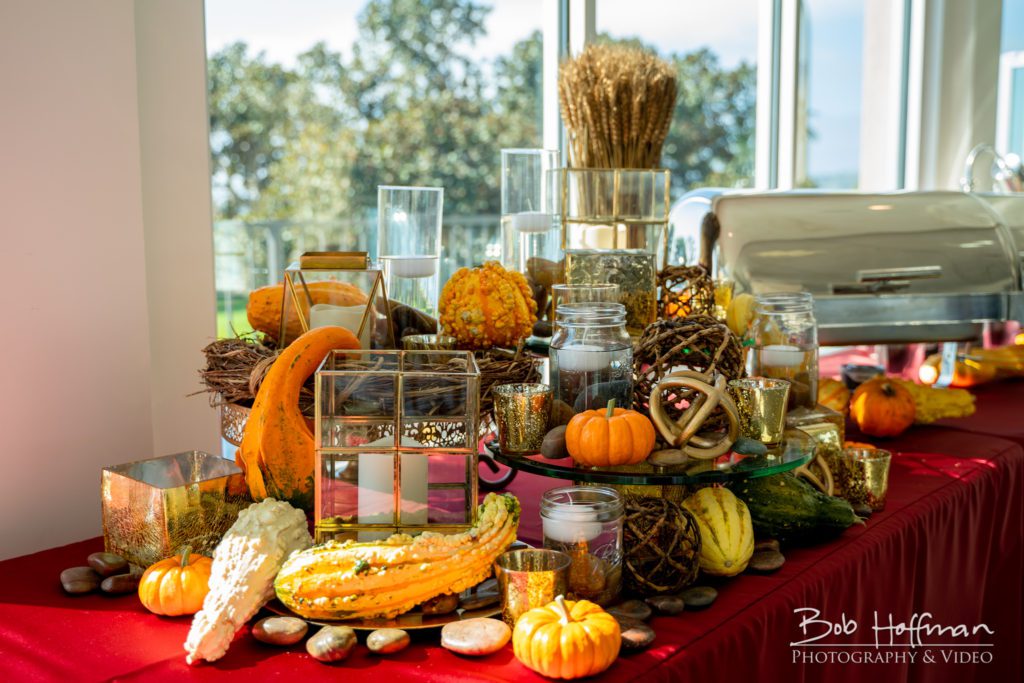
Food is the single biggest environmental input at most weddings. The way it is sourced, served, and disposed of all carry weight. A few choices that meaningfully reduce impact without sacrificing the experience:
- Local sourcing. Ask the caterer to use ingredients sourced within 100 miles of the venue where possible. Local produce is typically fresher and has a smaller carbon footprint than ingredients trucked or flown in from out of state.
- Seasonal menus. In-season ingredients cost less and taste better. A spring menu built around asparagus, peas, and citrus reads differently than a winter menu built around roots, squash, and citrus, but both can be equally elegant when designed intentionally.
- Plant-forward options. Reducing the proportion of meat to plant-based dishes lowers the menu’s emissions footprint substantially. A primarily vegetable menu with one excellent meat option lands well for guests.
- Family-style or station service. Plated dinners often produce more food waste because portions are uniform regardless of guest appetite. Family-style and station-based service like reception style events let guests take what they will actually eat.
- Food donation. Caterers and venues that have established relationships with local food banks can donate unopened backup trays the morning after the wedding.
- Herbs as decor. Small terra cotta pots of basil, rosemary, or mint integrated into table decor double as garnish and post-event takeaways.
Asking your caterer about in-season, locally grown produce typically lowers the menu cost rather than raising it. The myth that sustainable catering is more expensive comes from comparing organic-everything menus with conventional ones. A thoughtfully sourced, in-season menu often costs the same or less than a generic one.
Eco-Friendly Wedding Decor
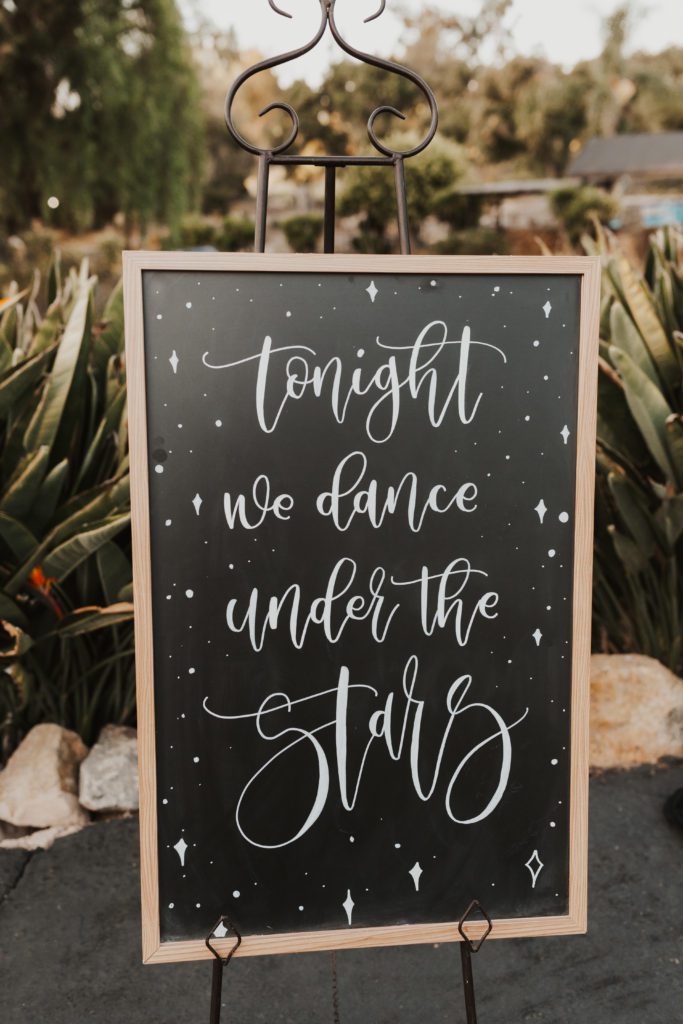
Decor is the easiest place to reduce waste without compromising the look of the day. The principle is simple: rent, reuse, or repurpose anything that has a life beyond the wedding.
- Rent the major pieces. Arbors, archways, drapery, lounge furniture, lighting, and large centerpiece vessels are all designed to be used hundreds of times. Buying them for one event is the least sustainable option.
- Use what you already own. Mirrors, frames, books, lanterns, candle holders, and decorative bottles often work beautifully as decor and go back to their normal place in your home after the wedding.
- Buy pieces you will keep. If you want to invest in decor, focus on items that will live in your home afterward (vases, signage, lanterns, candle holders) rather than single-use items.
- Avoid disposable accents. Plastic confetti, single-use balloons, cheap printed signage, and pre-printed napkins all end up in the trash within 24 hours of the event ending.
- Donate at the end. Anything you do not want to keep can go to local thrift stores, theater groups, or community centers. Donations are tax-deductible if the recipient is a registered nonprofit.
For specific decor inspiration that holds up sustainably, see our guide on wedding and event centerpiece ideas, which covers reusable approaches like greenery runners, candle clusters, and potted plant arrangements.
Sustainable Wedding Flowers
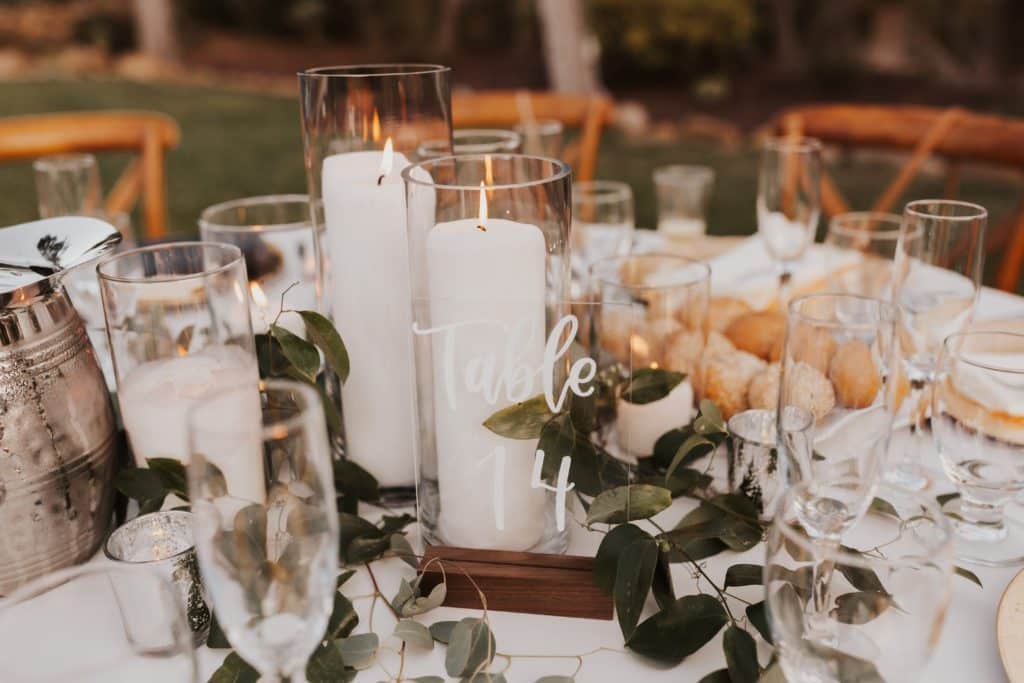
The flower industry has a quiet environmental cost. Most cut flowers in the United States are imported from South America, flown in cold-chain refrigeration, and treated with pesticides during cultivation. Locally grown, in-season flowers eliminate most of that footprint.
A few practical choices:
- Ask your florist about local growers. California, Oregon, and Washington all have active flower farming industries supplying California wedding florists. A florist who works with local farms can usually source 60 to 80 percent of an arrangement domestically.
- Stick to what is in season. The most sustainable florals are the ones that grow naturally in your wedding month. Peonies in May. Sunflowers in August. Dahlias in September. Ranunculus in late winter.
- Lean on greenery. Eucalyptus, ivy, ferns, olive branches, and seeded eucalyptus all hold up beautifully, cost less per stem than premium florals, and often grow locally year-round.
- Use potted plants. Orchids, succulents, herbs, and small spray rose plants can decorate tables during the event and become guest gifts at the end of the night.
- Donate the flowers after. Organizations like Repeat Roses collect wedding flowers and redistribute them as smaller arrangements to hospitals, hospice facilities, and senior centers. Many local florists offer similar services or can recommend a partner.
- Skip flowers entirely for some elements. Brooch bouquets, silk and dried floral bouquets, and leafy-green-only arrangements work especially well for couples who want a less floral-dependent aesthetic.
Eco-Friendly Wedding Fashion
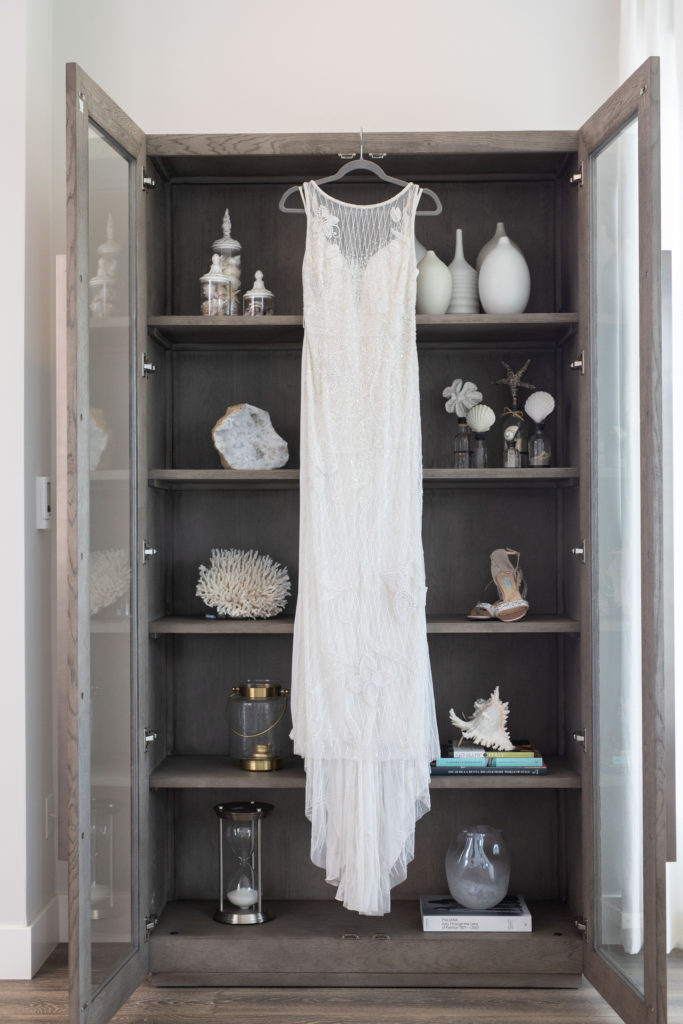
Wedding fashion is one of the higher-impact pieces of the day, simply because wedding attire (gowns especially) is typically worn once and then stored. A few approaches that change the math:
- Wear an heirloom gown. A mother’s, grandmother’s, or aunt’s wedding dress reworked by a skilled tailor often produces the most personal and meaningful look of the day. Most experienced tailors can update silhouettes substantially without altering the dress’s core character.
- Buy pre-owned. Sites like Nearly Newlywed, Stillwhite, and PreOwnedWeddingDresses.com sell once-worn designer gowns at a fraction of the retail cost. Local consignment and vintage shops are also worth checking.
- Rent the gown. Rental options for wedding gowns have expanded substantially in the past few years. Try-on-at-home rental services let brides borrow a designer gown for the wedding and return it after.
- Let the bridesmaids choose. Mismatched bridesmaid dresses in a coordinated color palette let each bridesmaid wear something they already own or will actually wear again. Or use a rental service like Rent the Runway, which now has dedicated bridal party collections.
- Choose timeless suits. For groomsmen, suits in classic cuts and neutral colors get worn for years after the wedding. Specifically wedding-only attire ends up at the back of the closet.
Eco-Friendly Wedding Favors
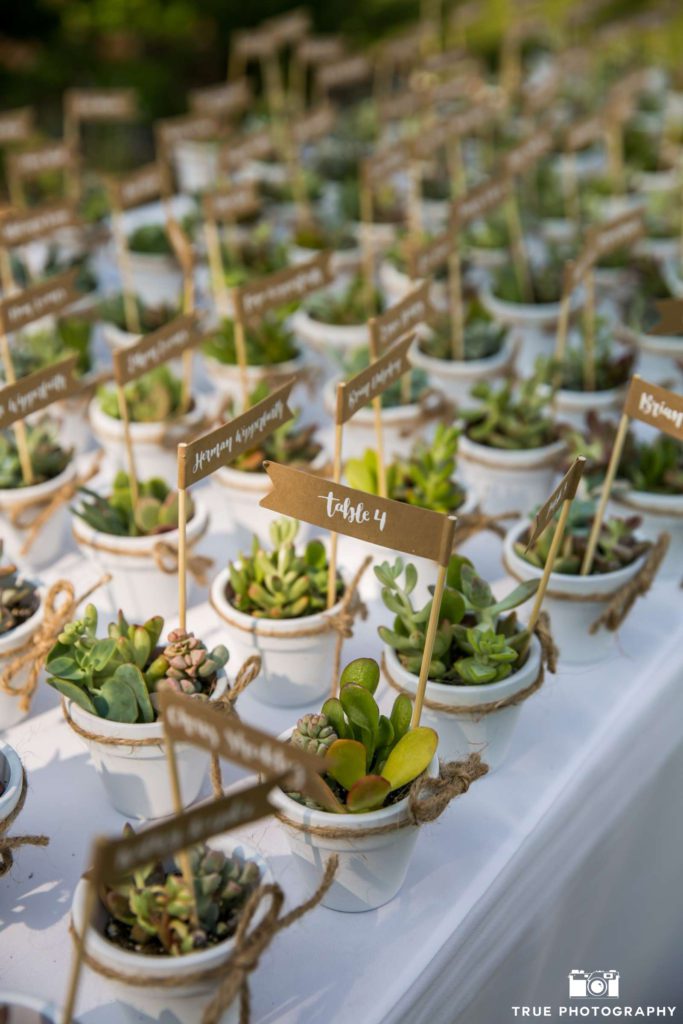
Traditional wedding favors are the single highest-waste item on the average wedding day. Most end up forgotten on tables or thrown out within a week. A few eco-friendly alternatives that actually get used:
- Plantable favors. Potted succulents, small herb plants, seed packets, or seed-paper bookmarks. Guests take them home and they continue to live.
- Edible favors from local makers. A small bag of coffee beans from a local roaster. Chocolate bars from a regional chocolatier. Jam from a nearby orchard. Honey from a local apiary. Edible favors get consumed instead of stashed.
- Reusable items. Cloth napkins printed with the wedding date, beeswax candles, small soy candles, or reusable cocktail straws. These get used long after the wedding.
- Charitable donations instead of favors. Redirect the favor budget to an environmental nonprofit and acknowledge with a small card at each place setting. We covered this in detail in our charitable wedding guide.
- Skip favors entirely. Many guests appreciate not having one more small item to carry home. A late-night snack or coffee station replaces the favor and gets actually enjoyed.
Eco-Friendly Grand Exit Ideas
:max_bytes(150000):strip_icc():format(webp)/__opt__aboutcom__coeus__resources__content_migration__brides__public__brides-services__production__2018__03__12__5aa6a54bdd16d925572d5923_24-0fa15c5143e241e28209bbd2bf0088ef.jpg)
The classic grand-exit confetti, rice, and glitter all have an environmental cost. Plastic confetti and glitter persist in the environment indefinitely. Rice attracts wildlife to areas where it can be harmful. The alternatives are easy and often more photogenic:
- Biodegradable flower petals. Freshly dried flower petals scatter beautifully and decompose naturally.
- Dried herbs. Lavender, rosemary, and mint smell incredible and read more interestingly in photos than confetti.
- Micro flowers and small dried blooms. Tiny dried flowers in mixed colors create the same celebratory burst with no environmental cost.
- Bubble exits. Plant-based bubble solution and small reusable bubble wands. Works beautifully in golden hour light.
- Sparkler send-offs. Steel-wire sparklers burn cleanly and the only waste is the small metal wire afterward, which can be collected and recycled.
- Ribbon wands. Reusable wedding wands with long colorful ribbons that guests wave. No waste, dramatic in photos.
How to Lower the Cost of an Eco-Friendly Wedding
The biggest myth about sustainable weddings is that they are more expensive. Many eco-friendly choices actually reduce cost when planned well:
- In-season, local florals cost less than imported flowers
- Digital save-the-dates and wedding websites eliminate paper and postage costs
- Rented decor costs less than buying disposable decor
- Combined ceremony and reception venues save transportation and second-venue rental fees
- Plant-forward menus cost less than meat-heavy menus
- Skipping favors entirely or replacing with charitable donations often costs less than per-guest favor budgets
- Heirloom, rental, or pre-owned wedding fashion can save thousands compared to a custom designer gown
Where eco-friendly choices do cost more, the premium is usually around 10 to 20 percent for items like organic catering, fair-trade rings, or premium recycled-paper invitations. Most couples find that savings in one category offset premiums in another, leaving the overall wedding cost roughly the same as a non-sustainable equivalent.
Planning an Eco-Friendly Wedding at Harbor View Loft
A few elements of the property make Harbor View Loft naturally well-suited to eco-friendly weddings:
- One location for everything. Ceremony, cocktail hour, and reception happen in one place, which means no guest shuttle emissions between venues.
- Indoor-outdoor flow. Daytime and golden-hour events can be held primarily outdoors on the patio and wraparound balcony, reducing electricity load.
- All-inclusive package structure. Catering through Personal Touch Dining, in-house staff, and venue-provided decor (linens, chargers, candles, table settings) eliminate the supply chain emissions of multiple separate vendors.
- Donation coordination. Our team can help coordinate post-event flower donations to local hospitals and food donation to area food banks when arranged in advance.
- Reusable infrastructure. Permanent dance floor, in-house furniture, and venue rentals eliminate disposable setup.
If a sustainable wedding is part of your vision, our coordinator can walk through which choices fit your priorities. Contact us to schedule a tour and we can talk through the details. Browse layouts and real wedding examples in our highlights gallery.
Frequently Asked Questions
What is an eco-friendly wedding?
An eco-friendly wedding is a wedding planned with the intention of reducing environmental impact, sourcing materials ethically, and minimizing waste. Common practices include choosing in-season local florals, holding the ceremony and reception in one location, using digital save-the-dates, sourcing food locally, donating leftover food and flowers, and selecting vendors with sustainable practices.
How do you make a wedding eco-friendly?
Focus on the highest-impact choices first: a single venue for both ceremony and reception, local and seasonal food, sustainable florals (in-season, locally grown, with a donation plan for after), digital paper goods where possible, recycled-paper invitations where not, and rented or reusable decor instead of single-use items. Smaller touches like plantable favors and biodegradable exit confetti add to the overall effect without significant additional cost.
Are eco-friendly weddings more expensive?
Not usually. Many eco-friendly choices cost less than their conventional counterparts: in-season local florals, plant-forward menus, digital save-the-dates, and rented decor are all generally cheaper. The categories where eco-friendly is more expensive (organic catering, ethically sourced rings, premium recycled invitations) typically run 10 to 20 percent above conventional pricing. Most couples find the savings and premiums roughly balance out.
What are the most sustainable wedding favors?
Plantable favors like potted succulents and herb plants are among the most sustainable because they continue to live after the wedding. Edible favors from local makers (coffee beans, chocolate bars, honey jars) get consumed instead of stashed. Charitable donations made in guests’ honor, with a small card noting the donation at each place setting, eliminate the favor entirely while creating a meaningful impact.
What is the most eco-friendly wedding invitation option?
The most eco-friendly option is a digital save-the-date with a wedding website handling most of the details and a small printed invitation only for the wedding itself. For the printed invitation, seed paper (biodegradable paper embedded with wildflower seeds), recycled paper, and cotton paper from companies that plant trees per order are all good sustainable options. Botanical Paperworks and Paper Culture are two well-known eco-friendly stationers.
How do you have a zero-waste wedding?
True zero-waste weddings are difficult but possible with intentional planning. The key categories: digital-only paper goods (no printed invitations, programs, or signage), entirely rented or reused decor, locally sourced food with composting and donation arrangements, no traditional favors, biodegradable exit elements, and a venue that handles in-house catering and rentals to reduce supply chain waste. Most couples aim for low-waste rather than zero-waste, which captures most of the environmental benefit with substantially less effort.
What is a green wedding planner?
A green wedding planner specializes in sustainable wedding planning. They typically have established relationships with eco-conscious vendors (local florists, organic caterers, recycled-paper stationers, donation services) and know how to design weddings that meet specific sustainability goals. Some planners hold certifications from organizations focused on sustainable event planning. For couples without a dedicated green planner, an experienced traditional wedding coordinator can usually handle most eco-friendly requests if briefed clearly upfront.
What is an eco-friendly wedding venue?
An eco-friendly wedding venue is one designed or operated with sustainability in mind. Features often include indoor-outdoor flexibility to reduce energy use, all-inclusive packages that eliminate supply chain emissions from multiple vendors, in-house reusable decor and rentals, proximity to guest lodging to reduce travel, and partnerships with local food banks and flower donation services for post-event redistribution.
Planning Your Eco-Friendly Wedding
The most successful eco-friendly weddings start with priorities. Pick the three or four areas where sustainability matters most to you and your partner (florals, food, registry, fashion, decor), and focus there. The rest of the day can land however it lands. A wedding does not have to be perfect to count as eco-friendly. The intention itself is most of the impact. Contact us to talk through how an eco-friendly wedding might come together at Harbor View Loft.
