
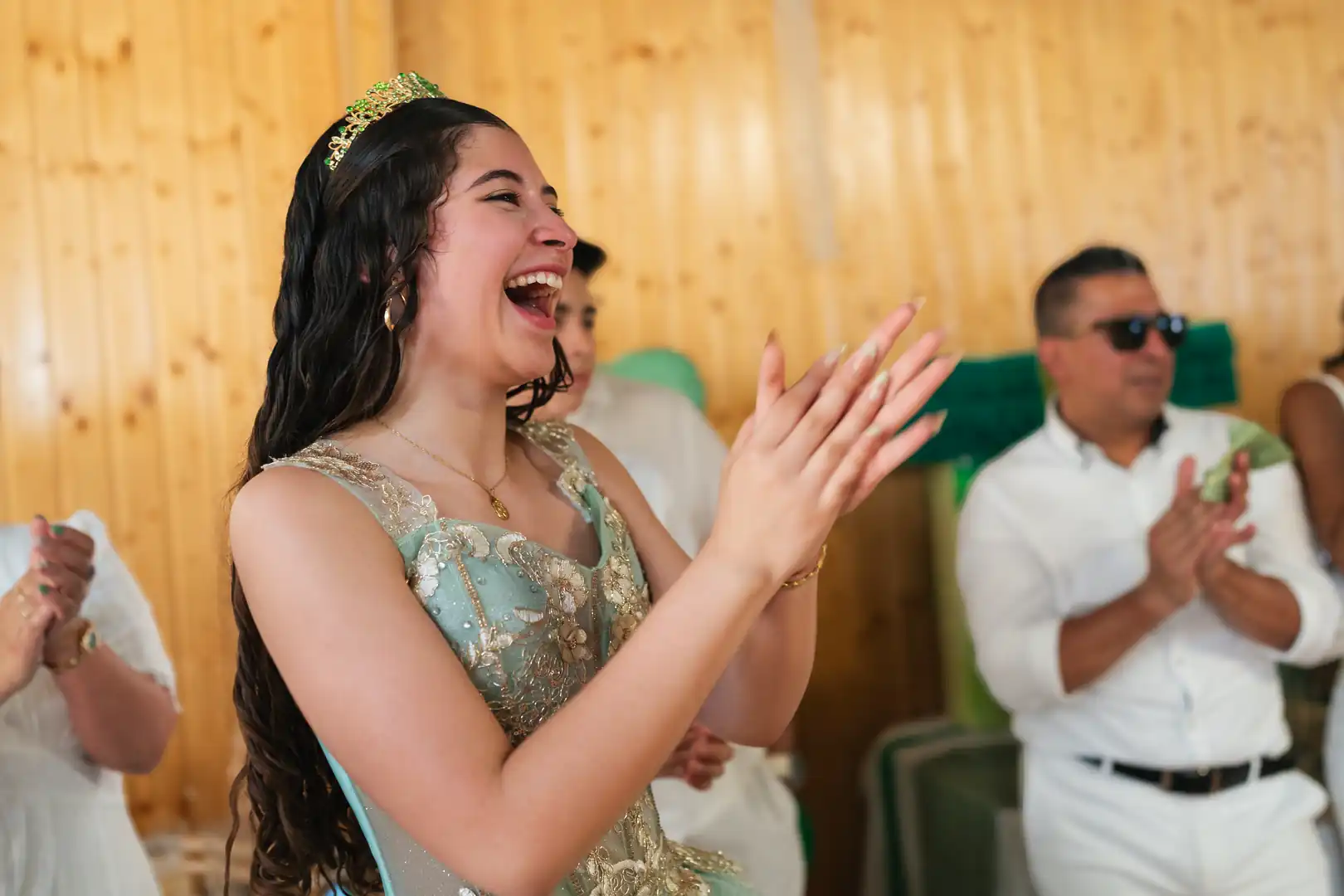
Whether you are planning a celebration for your family or attending one for the first time, this guide walks you through what a quinceañera actually is and the traditions that define the day. Understanding these ceremonial moments helps you feel comfortable, whether you are coordinating the schedule or joining a quinceañera party as a guest.
What Is a Quinceañera?
A quinceañera is a traditional milestone marking a young woman turning fifteen. The quinceañera meaning, deeply rooted in Latin American heritage, centers on honoring growth, family support, and community faith. When you hear people ask what’s a quince, they are referring to this same celebration that blends a formal blessing with an evening party. Understanding these quince traditions gives you meaningful context for why each moment matters to the family.
Traditions and Ceremonial Moments of a Quince Celebration
As you move through the event, you will notice an intentional sequence of ceremonial moments. Each part of the program highlights a specific transition, giving family members and close friends active roles throughout the day.
The Court of Honor
When you watch the entrance, you will see the quinceañera court, or corte de honor, take their places alongside the honoree. This group of close friends and family members includes damas and chambelanes who participate in the formal entry, religious blessing, and group dances. Choosing a spacious quinceañera venue gives the court room to rehearse, gather, and enter smoothly.
The Ceremony or Mass
When you attend the morning or early afternoon program, you often start at a religious service or family blessing before the reception. During this gathering, you will witness the honoree offer thanks for her youth while receiving symbolic gifts from family members or godparents, known as padrinos. You will see items like a rosary, a Bible, or a medal presented as marks of faith and community encouragement.
The Vals (First Dance)
As you transition into the reception, the vals anchors the formal evening program. You will watch the honoree share her first dance with her father or a designated family member, symbolizing her step into young adulthood. Right after this dance, you will see the full court join in a structured, choreographed routine that opens the dance floor.
Changing of the Shoes
During the reception program, you will observe a parent or elder family member present the honoree with her first pair of high heels, replacing her flat shoes. This quiet ceremonial moment marks her transition into adulthood in front of gathered loved ones. It creates a clear pivot in the evening before the floor opens up for open dancing with all your guests.
The Toast and Tiara Moment
As the formal program nears completion, you will listen to family members offer a formal toast, or brindis, to thank guests and share wishes for the future. You will also see a tiara or crown placed on the honoree to symbolize grace and personal responsibility. These toasts give you a moment of shared reflection before the room transitions into an open social gathering.
The Last Doll
Near the end of the formal program, you will often see the honoree receive one final gift: a porcelain or keepsake doll known as the última muñeca. This tradition symbolizes the last toy of her childhood, and many families pass it along to a younger sister, cousin, or goddaughter to carry the tradition forward. You may also see the doll placed at the head table or presented alongside a short reading from a parent, adding a quiet, sentimental beat to an otherwise lively evening.
What to Expect as a Guest
When you attend a quinceañera, you can expect an evening that balances formal ritual with festive gathering. Arrive on time for the religious ceremony or reception entrance so you don’t miss the court’s grand entrance. Dress expectations lean formal, similar to a wedding or evening gala. Bring a card with warm wishes, and prepare to stay through dinner, toasts, and open dancing.
Tips for Families Hosting
Planning a quinceañera requires balancing family expectations with guest comfort. Build your timeline with extra buffer time between the morning ceremony and evening reception so the honoree and court can take photos without rushing. When planning your quinceañera catering, select menu options that move efficiently so guests have ample time for dancing, toasts, and conversation.
Quinceañera Tradition FAQs
What is a quinceañera?
A quinceañera is a traditional milestone celebrating a young woman turning fifteen. It marks her transition from childhood into young adulthood through ceremonial blessings, family toasts, and a reception. The event blends cultural heritage with community celebration.
What is the significance of the quinceañera court?
The court of honor consists of close peers and family members who support the honoree throughout the day. They participate in the formal entry, ceremonial dances, and group photos. Being selected for the court is a high honor for friends and relatives.
What should I wear as a quinceañera guest?
Guests generally wear formal or semi-formal attire suitable for an evening celebration or church service. Suit trousers, jackets, cocktail dresses, or elegant midi dresses fit the occasion well. It is best to avoid overly casual clothes or outfits that clash with formal church standards.
How is a quinceañera different from a regular birthday party?
A quinceañera incorporates structured cultural and religious traditions rather than standard birthday festivities. Moments like the shoe changing, formal toasts, court dance, and family blessings set it apart. It carries deep community and family significance beyond a typical birthday.
Every quinceañera rests on a foundation of family, heritage, and shared reflection. Balancing complex schedules with multiple ceremonial moments takes clear organization and an adaptable layout. To see how Harbor View Loft can accommodate your full schedule from the grand entrance to the final dance, contact our team.
