
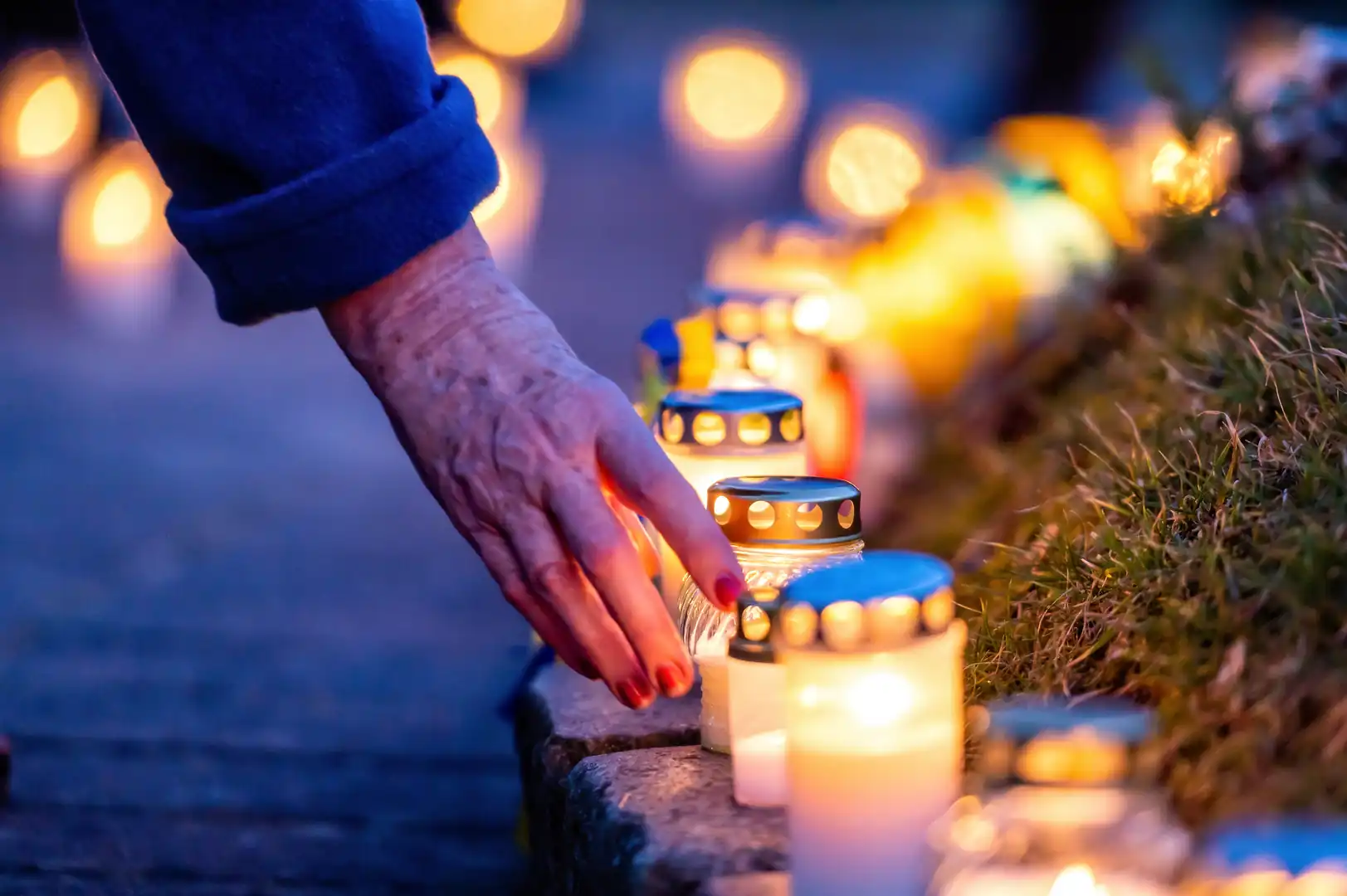
Every memorial reception carries its own tone. Before a single word is spoken, a room has already told people something: the light, the seating, the pace of the afternoon. Learn how that tone actually gets set through the space, flow, food, and music, essentially all the practical decisions that shape a day like this.
Celebration of Life vs. Memorial Service
The choice between a celebration of life and a memorial service is often described as a matter of naming. In practice, it is usually a decision about tone. A memorial service tends to hold a more traditional, reflective shape, often religious, often quieter, often centered on ceremony. A celebration of life leans toward stories, warmth, and a format that feels closer to gathering than mourning.
Neither format is more respectful than the other. Families choose based on the person being honored, their own traditions, and what feels true to how that person lived. But once the choice is made, the tone it implies needs a space that can actually hold it.
How the Space Sets the Tone
From here, the details start to matter. Seating, food, music, and light all play a part in the tone a family creates.
Formal Seating vs. Open, Flowing Space
Rows of chairs facing a single focal point signal a ceremony, a beginning, middle, and end that guests are meant to witness together. An open floor plan with clusters of seating and room to move signals something closer to a gathering, where conversation and connection matter as much as any single moment. Some families want both in the same afternoon, a formal opening followed by open time. A space that can shift between the two without feeling disjointed makes that possible.
Indoor Reflection, Outdoor Air
Indoor spaces tend to hold quiet and formality well. Natural light, high ceilings, and a controlled environment give people room to sit with their thoughts. Outdoor or indoor-outdoor spaces, a balcony, a view, open air, tend to loosen a room slightly, giving people permission to breathe and talk more freely. The right balance depends on the tone the family wants and the group size.
Food and Service Style
A seated, plated meal keeps a room quiet and paced. It asks guests to stay in place, which suits a more formal, reflective tone. Food stations and passed appetizers do the opposite. They invite movement, small conversations, and a more social rhythm. Families sometimes choose a hybrid: a plated first course followed by open dessert and coffee, letting the day shift gradually from formal to warm.
Music and Sound
Sound shapes a room as much as light does. A single instrument playing softly in the background holds space without demanding attention. A curated playlist of songs that meant something to the person being honored can turn a quiet room into one filled with recognition and, sometimes, unexpected smiles. Silence itself is also a choice, and a room built for it should be able to hold that too.
Photo Displays and Personal Touches
A table of photographs, a slideshow, or personal items gives guests something to gather around outside of formal conversation. These details do quiet work. They let people approach grief sideways, through a shared memory rather than a direct question, which often makes a room feel warmer without anyone having to perform warmth.
There’s No Single Right Way to Grieve
Grief often shows up as quiet composure, laughter at a well-told story, or silence. Families hosting a reception sometimes worry the room needs to match a certain mood throughout, but a well-designed space can hold several emotional registers in the same afternoon without feeling like it is working against itself. That flexibility often matters more than getting the tone exactly right from the first minute.
What to Expect as a Guest
If you are attending a memorial reception, dress leans toward the formal or subdued side unless the invitation says otherwise. There is no requirement to say something profound to the family; a brief, honest acknowledgment carries real weight. Follow the room’s lead on pacing. If the space feels quiet and reflective, match that. If people are gathering in small groups and sharing stories, that is an invitation to do the same.
Memorial Reception FAQs
What’s the difference between a celebration of life and a memorial service?
A memorial service tends to follow a more traditional, ceremonial structure, often with religious elements and a quieter tone. A celebration of life leans toward stories and warmth, with a format closer to a gathering than a formal service. The choice usually reflects the tone a family wants for the day.
Is it okay not to cry at a funeral or memorial reception?
Yes. Grief looks different for different people, and composure is not the same as indifference. There is no single correct emotional response, and guests should not feel pressured to perform a certain way.
What should I bring to a funeral or memorial reception?
A card or note is appropriate and often appreciated. Your presence is the most important thing you bring. Unless the family has requested something specific, such as a donation in lieu of flowers, simply attending is enough.
How do I know what tone is appropriate for a memorial reception?
The tone usually follows from how the family has chosen to frame the day, whether as a memorial service or a celebration of life, along with the space itself. Pay attention to the setting, the pacing, and how other guests are behaving, and let that guide you.
Planning a Memorial Reception in San Diego
The right space can hold a range of moods, and if you’re weighing how to set the right tone for a memorial reception, our celebration of life venue page covers the formats we support, and our celebration of life planning guide covers the details of the day itself. Contact our team to talk through what would feel right for your family.
