
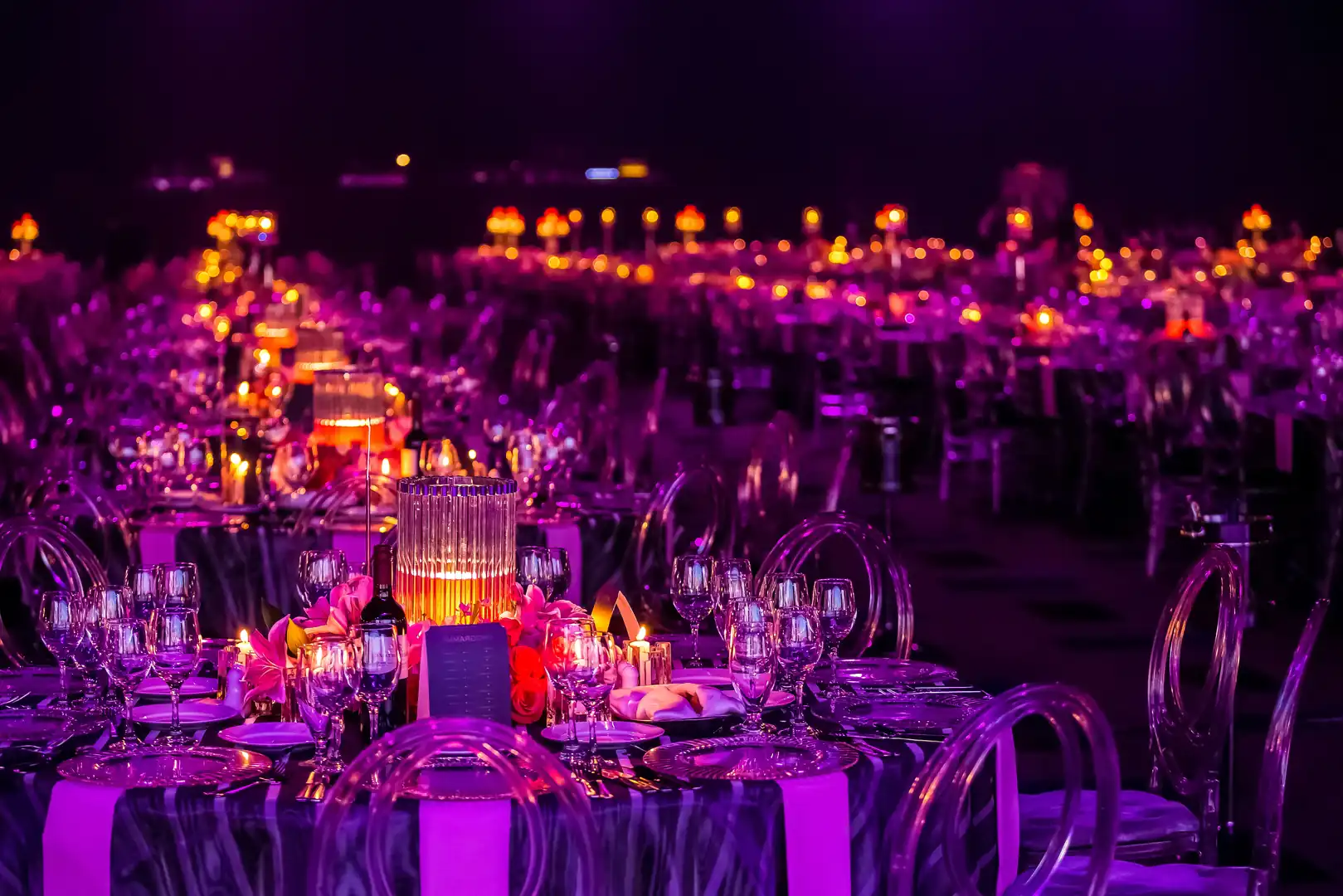
Most guides to choosing an event venue cover the basics: capacity, location, catering. A gala or fundraiser needs more than that. Between the seated dinner, the ask, the auction, and the guests you’re trying to keep comfortable and engaged all night, a nonprofit event has logistics most general venue advice never touches. Here’s a practical checklist for what to actually look for.
Start With Your Event Format
Before anything else, decide whether the evening is a formal seated dinner, a cocktail-style reception, or a hybrid of both. This single decision shapes almost every other choice on this list, from capacity needs to staging to how much space you’ll need for mingling versus seating. A seated gala with a program and an ask needs a very different room than a donor cultivation event built for open conversation.
Capacity for Both Dinner and Reception
Many nonprofit events need to shift formats within a single evening, cocktails and mingling first, then a seated program for dinner and the ask. Ask whether a venue can genuinely support both without a hard reset in between. Some spaces handle one format well and struggle with the transition to the other, which shows up as an awkward lull while tables get set or chairs get cleared mid-event.
AV and Staging for Speeches
The ask is the moment the whole evening is often built around, and it depends entirely on whether people can hear it and see the person delivering it. Ask specifically about microphone setup, whether the stage or podium has sightlines from every table (not just the ones near the front), and whether the venue tests equipment in advance or expects you to bring your own AV team. “We have a screen” and “we test your presentation the day before and cue it during the program” are very different levels of support.
Space for Auctions and Sponsor Displays
Silent auctions and sponsor recognition need real physical space, not a hallway table squeezed in as an afterthought. Ask whether auction displays can be staged separately from the dining area so guests can browse without disrupting the program, and whether sponsor branding has a natural place in the room rather than competing with the event’s own decor.
Accessibility for Donor and VIP Guests
Many of your most important guests are also often your most senior. Elevator access, close and well-lit parking, and comfortable seating with backs matter more here than at almost any other event type. This is an easy detail for a venue to overlook and an easy one for you to ask about directly.
Booking Timeline for Peak Gala Season
Spring and fall are the busiest stretches for nonprofit events, and popular venues fill up three to six months in advance during those windows. If your event falls in one of those seasons, start venue conversations earlier than you think you need to. A venue that can’t accommodate a shorter timeline is worth knowing about before you fall in love with the space.
Questions to Ask Before You Book
A short list to bring to any venue tour or first call:
- Can this space handle both a seated dinner and a cocktail reception in one evening?
- What AV is included, and is it tested in advance?
- Where would auction displays and sponsor signage go?
- What does parking and accessibility look like for older or VIP guests?
- How far in advance do we need to book for our date?
- Is catering and coordination included, or will we need to bring in outside vendors?
Once you’ve settled on a venue, the next question is how the evening itself should flow. See our guide on structuring a high-impact charity gala for how the reception, auction, and program come together.
Frequently Asked Questions
How far in advance should we book a gala venue?
Three to six months is typical, especially if your event falls during spring or fall, when nonprofit event season is busiest and popular venues book up early.
What’s the difference between a gala venue and a general event venue?
A gala venue is built to handle the specific logistics of a fundraising event: AV for speeches and the ask, dedicated space for auctions and sponsor displays, and the ability to shift between a cocktail reception and a seated dinner in one evening. A general event space may not have considered any of that.
Do we need a venue with in-house AV?
Not necessarily, but you do need clarity on what’s included. Some venues provide and test equipment as part of the package. Others expect you to bring in your own AV team. Either can work, but you want to know which one you’re dealing with before the night of the event.
What should we look for if our event includes an auction?
Space to stage auction displays separately from the dining area, so guests can browse without disrupting the program, and enough room that bidding doesn’t feel like a bottleneck.
Planning Your Nonprofit Event in San Diego
If you’re weighing venues for a gala, fundraiser, or donor event, our team can walk through capacity, AV, and auction setup during a tour. Our nonprofit event venue page covers how we handle all of it in more detail, or you can contact us directly with questions.
